- Independent survey
Asbestos Roof
Asbestos roof Edinburgh
When removing or dismantling a asbestos roof the most common way for asbestos fibres to enter the body is through breathing
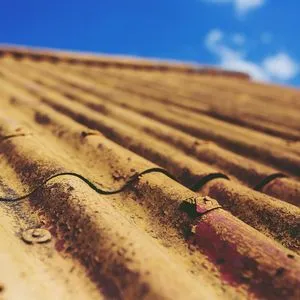
asbestos roof
In fact, asbestos containing material is not generally considered to be harmful unless it is releasing dust or fibers into the air where they can be inhaled or ingested.
Many of the fibres will become trapped in the mucous membranes of the nose and throat where they cant be removed, but some may pass deep into the lungs, or, if swallowed, into the digestive tract. Once they are trapped in the body, the fibers can cause serious health problems.

Artex and Asbestos Testing Edinburgh
The HSE are currently running a ‘Beware Asbestos’ campaign until March with the aim to encourage safe working practices amongst workers most at risk from asbestos. Statistics show that Asbestos kills around 5000 workers each year, whilst 20 tradesmen die each week as a result of past exposure These are harrowing figures which prove that asbestos is still a very real and very genuine threat, not only exclusively to tradesmen and those working with its removal; but also for those who work in the building and other people in the surrounding areas. The risks occur when damage, fire or disturbance to the products cause the asbestos fibres to become loose and potentially airborne. When these tiny fibres are inhaled they do not decompose and remain permanently lodged in the lungs which can lead to fatal diseases as the body attempts to fight these alien fragments. Initially it will cause soreness, inflammation and infection which can lead to any of the following diseases:
- Mesothelioma
- Lung Cancer
- Asbestosis

GET IT TESTED AND BE SAFE !
Edinburgh Glasgow Hamilton Norfolk
